Unknowingly, I have studied in medical school for five years. No longer the naive youths of the past, responsibilities have quietly draped over our shoulders. Casual jokes filled with medical allusions have become the daily banter among friends. With a trace of reluctance and a bit of sentimentality, we chose this winter break of our fifth year to travel together.
For me, this was the first time in my life stepping onto land outside of Taiwan. Passing through customs, quarantine, and security checks were all brand new experiences. Fortunately, the customs officers in both Taiwan and Kalibo International Airport in the Philippines were very friendly to clueless tourists and did not make things difficult.
If you really want to ask me what the difference is between traveling in Taiwan and sightseeing abroad, I would say it is observing and interacting from the perspective of a passerby, an outsider, and allowing fresh experiences to wash over an old, rust-mottled soul.
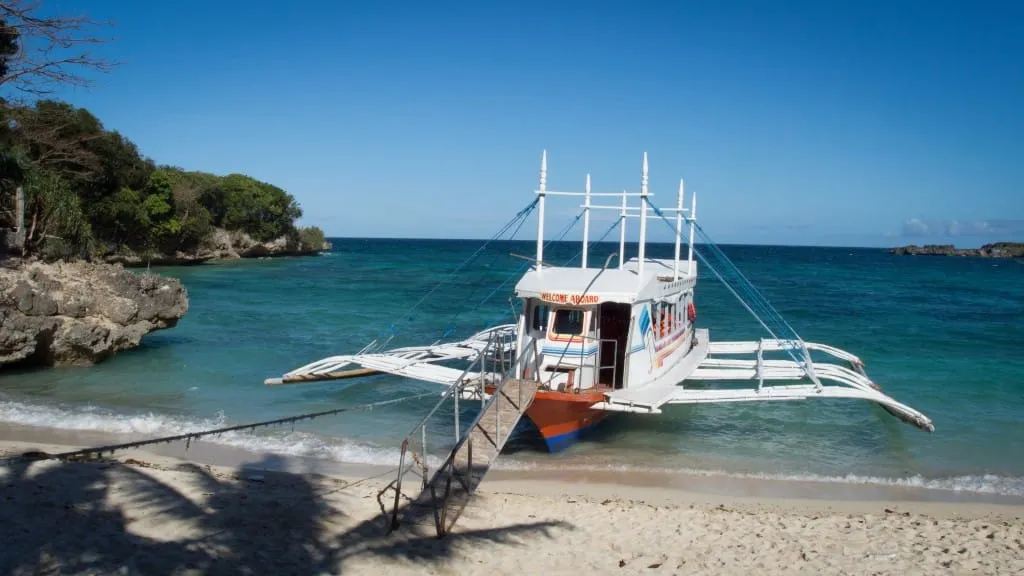
Boracay, described by the tour guide as "the outlying island among outlying islands in the Philippines,"
Boracay is an area planned entirely with tourism development in mind. According to the tour guide, many supplies, including seafood and fruit, are shipped over from the Philippine mainland. Under strict environmental protection policies, Boracay commendably handles a considerable daily volume of tourists while still managing to preserve clean coastlines. Free from the severe air pollution of Taiwan's cities, the picturesque scenery where the sea meets the sky was what brought me the most joy when I first arrived here.
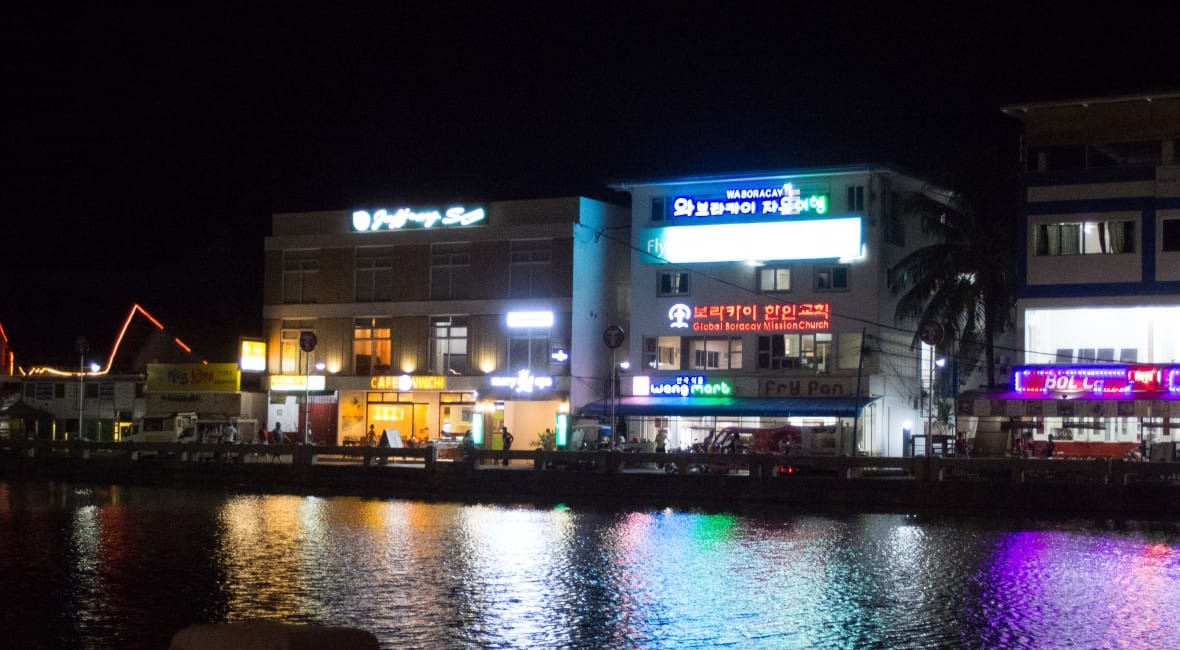
The main gathering place for tourists is an area expanding inward from a beach with sand as fine and dense as flour into a bustling commercial district. In recent years, due to the rise of tourism from the Chinese cultural sphere, many East Asian-oriented restaurants and hotels have appeared in the commercial district. Even store signs occasionally intersperse a few Simplified Chinese characters, and street vendors along the road occasionally throw in a few sentences of Mandarin. The incredibly high proportion of East Asian faces in the crowded throngs, and the children begging for money on the coast shouting in Mandarin, repeatedly reflect the astonishing number of tourists from China, Taiwan, South Korea, and Japan in Boracay.
During the trip, I once asked a good friend: "If you were the director of the tourism bureau for a certain region in Taiwan and possessed the same environmental conditions as Boracay, would you want to manage it to look like Boracay?"
Why did I want to ask this question? It is because in Boracay, I saw the inevitable sacrifices of highly developed tourism driven by commercial capital. Tourists come and do as the Romans do, but the entire area has also begun catering to the tourists. Although it retains its pristine coastal charm, with local residents all making a living through the tourism industry, the local Philippine culture is often overshadowed, mixed with too many foreign elements. In Boracay, you can see high-end all-you-can-eat buffets mixing local ingredients, Ayurvedic SPA massages, and beautiful Western-style pastry shops.
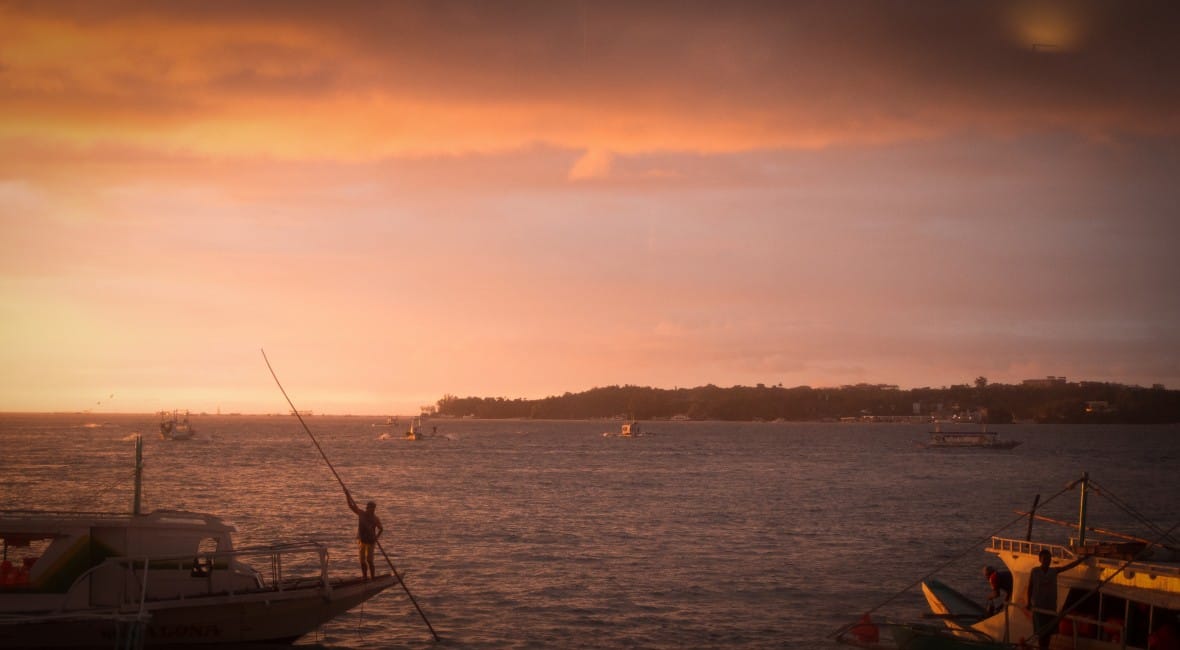
However, I suppose this is also the inevitable result of high interaction in human society, so there is no need to particularly sigh in pity. What deserves praise is that, despite accommodating a high volume of tourists, Boracay's beaches remain so clean. When you do not want to pay attention to the noisy streets behind you, you can simply lie leisurely on the beach of flour-fine sand, watch the blue sailboats carrying countless bursts of laughter fluttering by, and bathe in the afterglow of the sunset and the blowing sea breeze. The water activities are also spectacular; whether you want to enjoy the thrill of riding the wind and waves, the joy of overlooking from high above, or snorkeling and deep diving, all of these can satisfy you.
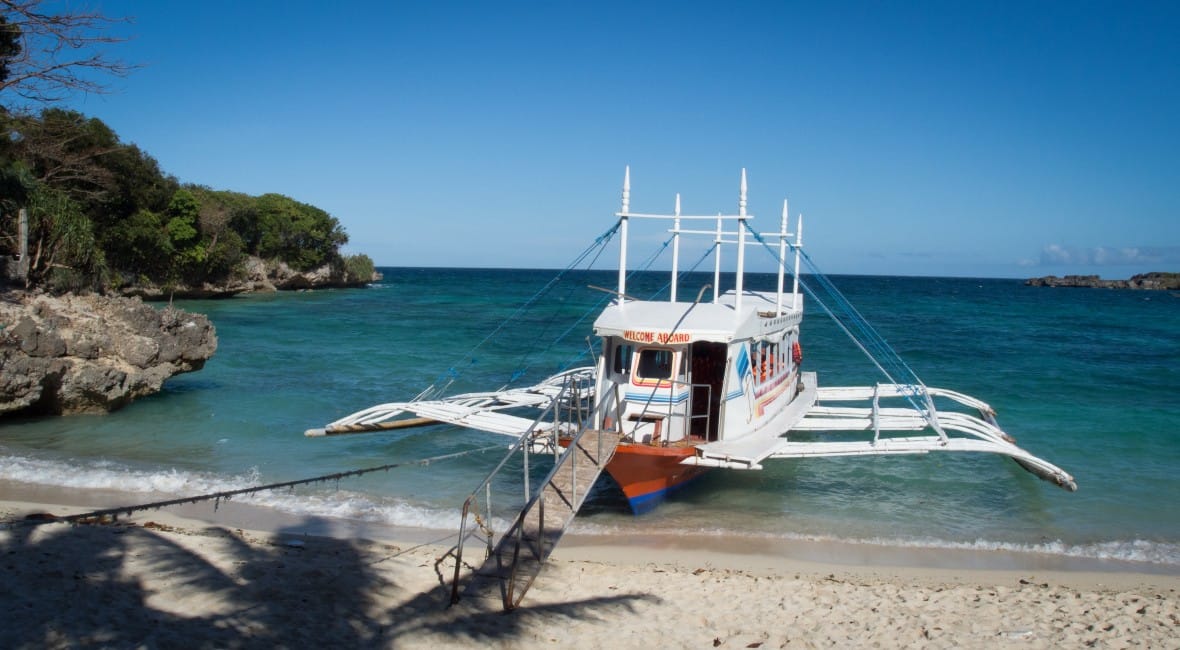
Regarding this trip, I am very happy to have been able to relax and travel with classmates with whom I usually study medicine hard and work diligently in the hospital. We could forget the pain and exhaustion we must bear in our lives, engage in endless banter and idle chat to our hearts' content, and occasionally take a few candid shots of beautiful scenery to practice my photography skills.
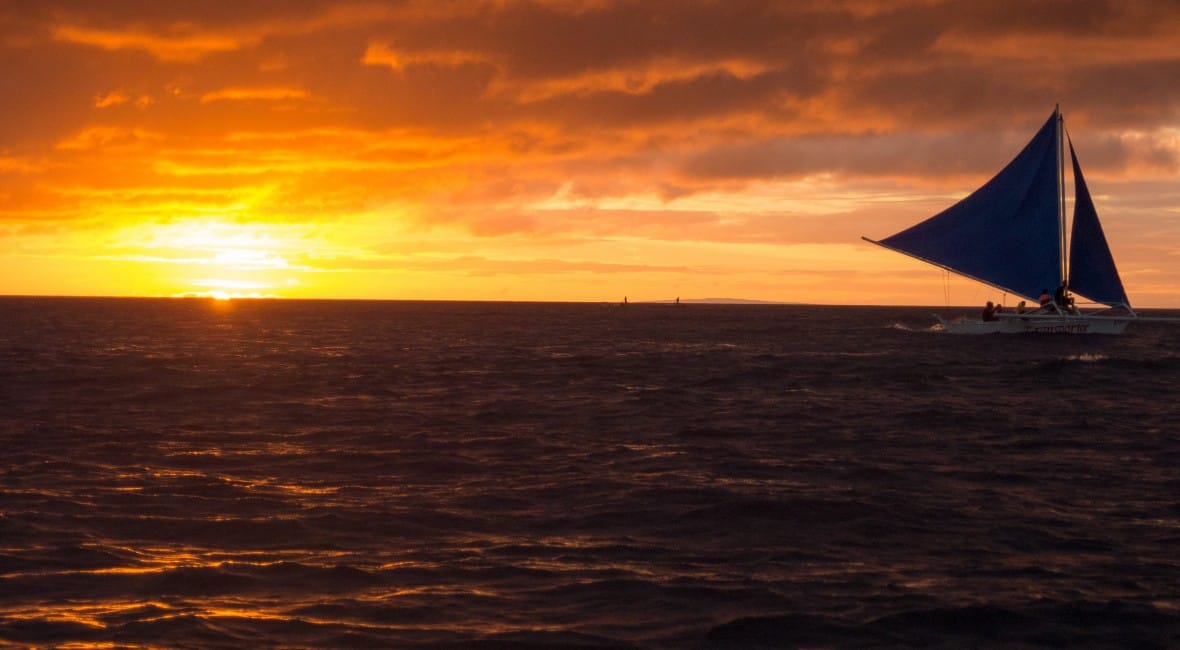
The beaches of Boracay—thank you for your cozy comfort. We shall meet again.