![[Unboxing] - Power Donut: A Portable Power Strip with Ingenious Design](/_astro/IMG_0137-1180x650.BOP_ghvP_Z2rDMsn.webp)
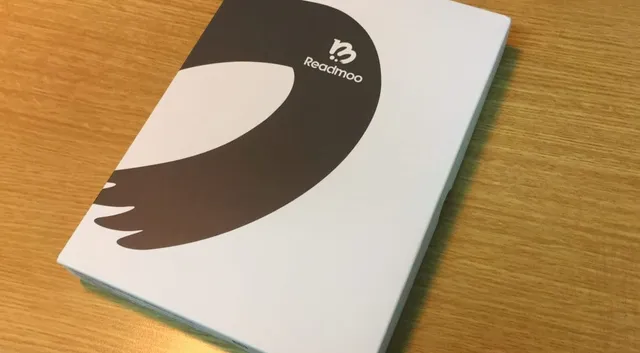
Have you ever heard of the crowdfunding platform Kickstarter abroad? In Taiwan, I sometimes browse similar platforms, like flyingV, looking for project ideas that catch my eye. Early this year, this Power Donut project grabbed my attention, so I participated in the crowdfunding. In June this year, I received the successfully shipped final product. Here is the unboxing review.
Product Appearance

Power Donut is positioned as a "portable power strip for travel," but looking at the photo, can you guess where the sockets on the extension cord are? At first glance, you might think it's the obvious socket hole in the middle from a top-down view, but you'd be wrong! (Haha, I was fooled too when I first got it.)
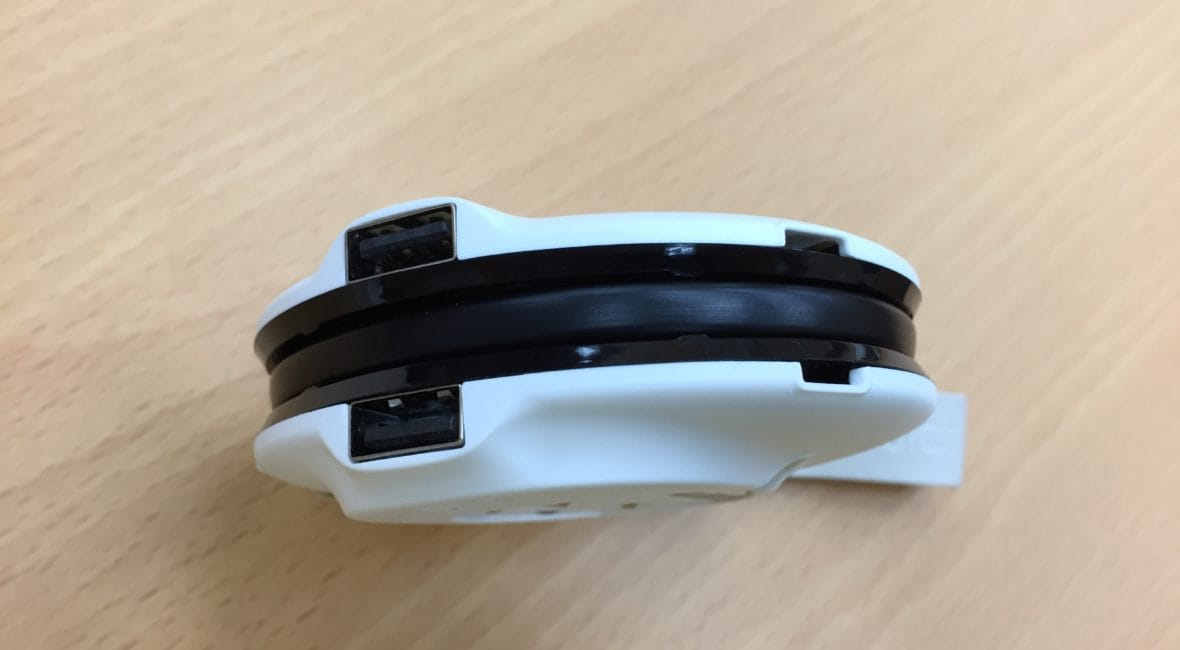
Look closely at the sides: do you notice the two USB ports? Rotate it, and you'll find there are sockets spaced at intervals. That's right! This power strip is different from traditional long strips; the sockets are built into the outer circumference!
Usage
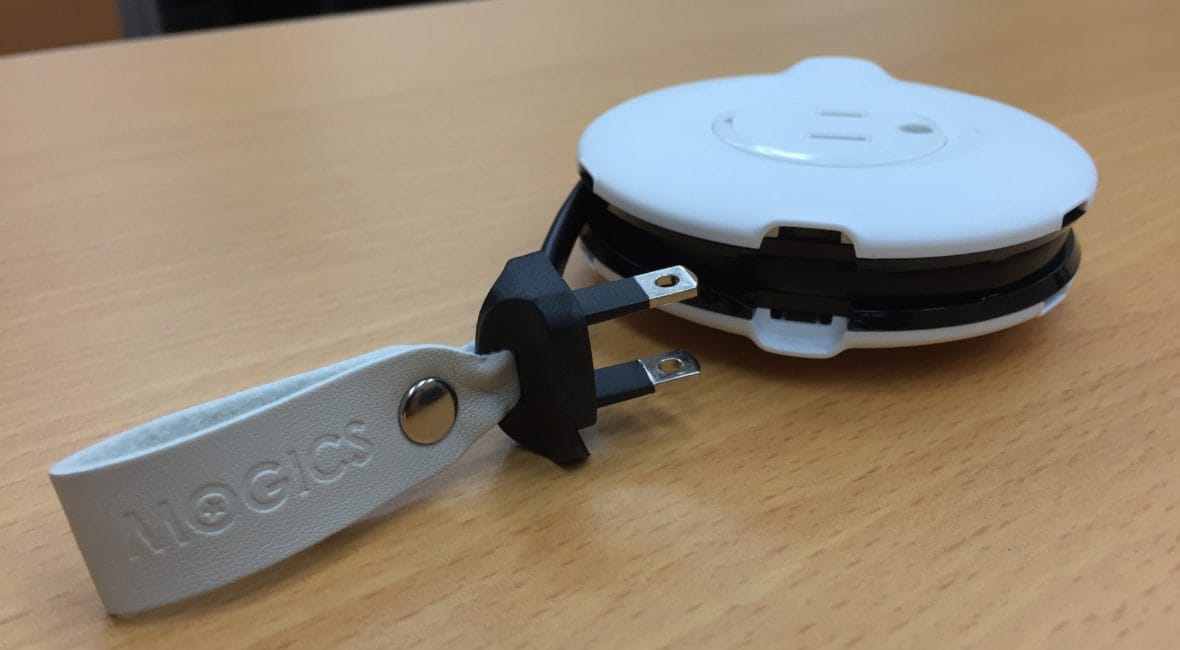
To use it, you just pull out the plug tucked away in the side storage slot, and it fully extends.
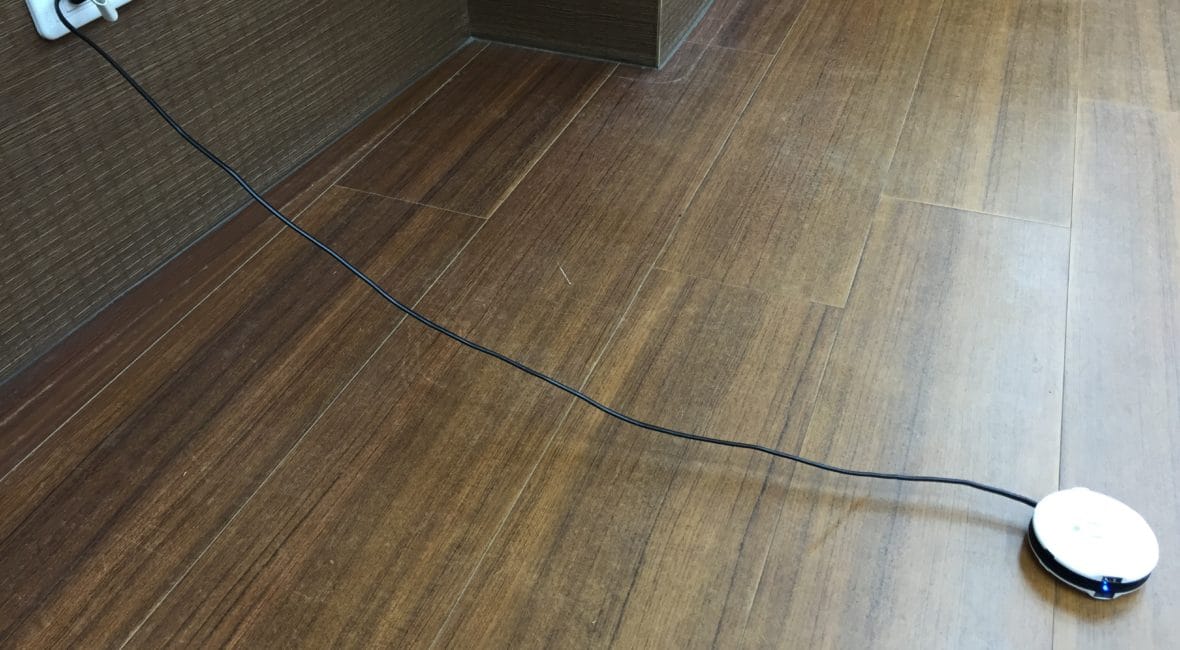
Filling it up with plugs is not an issue at all!
The question remains, what is that socket hole in the middle of the Donut?
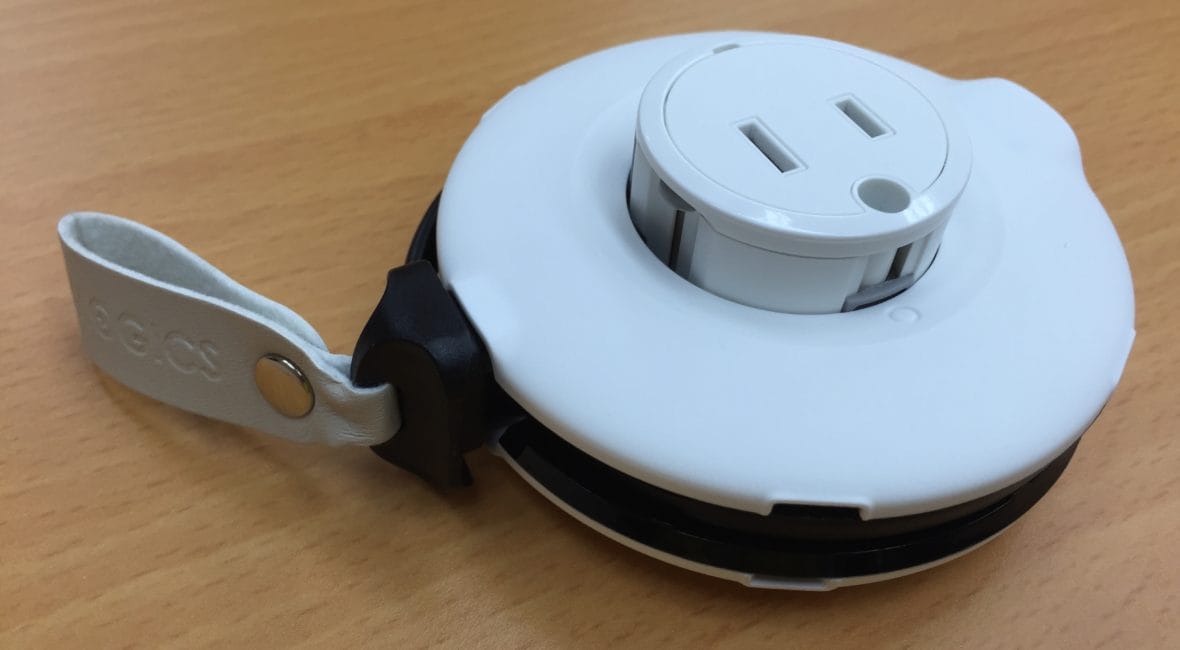
It turns out it's an international travel adapter, designed perfectly to fit right into the hole in the middle of the Donut.
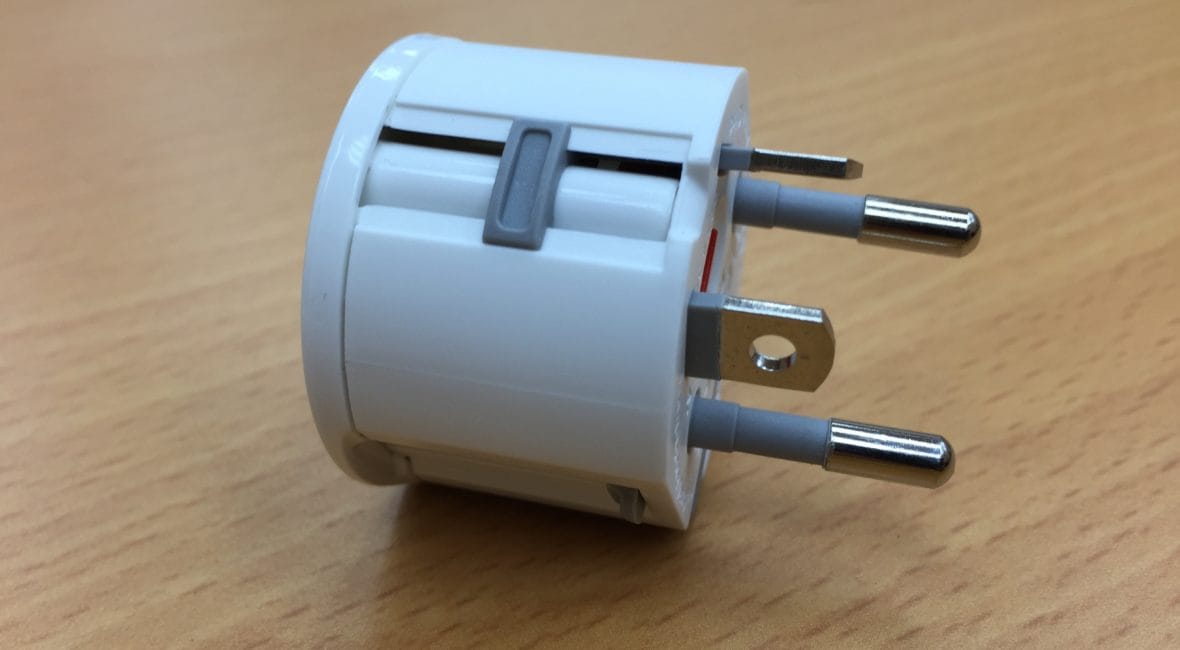
Design Philosophy and Advantages
The features of this product that amaze me the most are:
- It shifts the side-by-side sockets of traditional linear power strips to the outer circumference, maximizing the spacing between sockets while minimizing the footprint.
- Thanks to the Donut's circular design, the cord can be wrapped around it for storage, adding convenience.
- The separately designed optional travel adapter perfectly nests within the middle space of the Donut.
As soon as I got it, I showed it to friends and family, and it received quite favorable reviews. Since the product just launched from crowdfunding, the retail price is still a bit steep, but at around five or six hundred NTD, given its practical and convenient design, I am optimistic about its future market sales.