During a shift, a patient admitted for the acute phase of a stroke in the early hours of the morning began to exhibit a shallow and rapid breathing pattern and complained of chest tightness, though oxygen saturation had not yet dropped. Auscultation of bilateral breath sounds revealed crackles in both lower lung lobes, and the extremities were not edematous and felt relatively warm to the touch. The initial impression was pulmonary edema. However, reviewing the medical record revealed a history of an anterior STEMI just a few months prior, and the cardiac enzymes in the emergency department the previous day were slowly climbing. Therefore, I dared not be careless; surveys for cardiac enzymes, electrocardiograms (ECG), STEMI, and heart failure were all initiated. After notifying the senior resident (second-line), we handled the medical routines, such as blood draws, together. When informing the patient of the risks of cardiac arrest and respiratory failure, and asking whether he would want intubation and defibrillation, the patient said, as if all hope were lost, "No need, it's too painful, it's better to just go like this."
This was a young patient in his thirties, suffering from vascular events like stroke and myocardial infarction at such a young age, which likely affected his ability to work; there was also a note of outstanding payments in the electronic medical record system. Because the condition was critical, family members needed to be contacted. But whether due to estranged relationships or the late hour, neither of the two relatives (ex-wife, older brother) could be reached. Furthermore, according to the nurses, there had been no caregiver at his bedside since his admission. The ECG showed ST-elevation and T wave inversion. The on-call cardiologist was consulted; a bedside echo was performed, revealing that the anterior wall of the heart was indeed contracting poorly, but comparing it with the imaging record of the previous myocardial infarction, it could not be confirmed whether this was a new or pre-existing problem. With numerous risks present, the senior resident later decided to transfer him to the ICU.
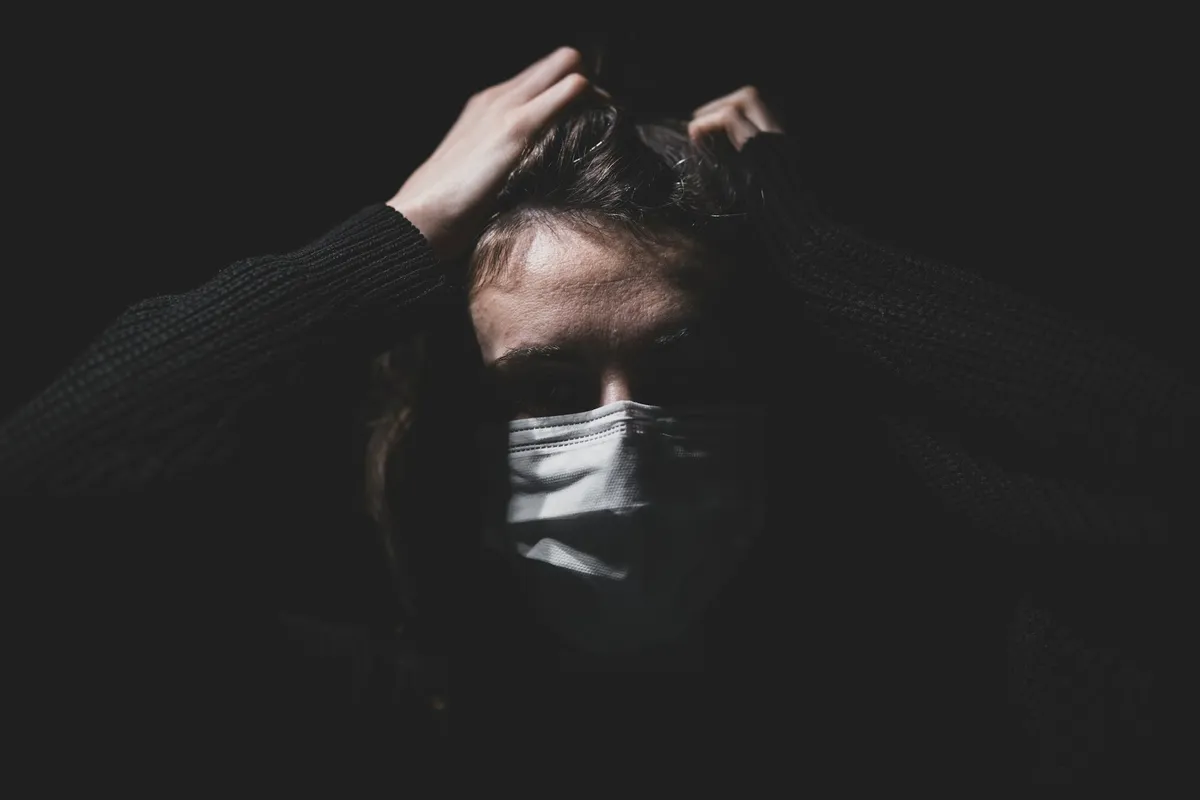
For me, perhaps because of a period of clinical experience, what left a deep impression was not the sudden onset of shortness of breath. What touched me was the powerlessness and loneliness, unsuited for his age and tormented by illness, on a face ready to give up struggling on the margins of the world.
Besides adhering to their professional duties, what can medical personnel do for him? Through countless long nights, amidst sudden shortness of breath, chest pain, chest tightness, or even the emergency of cardiac arrest, physicians exhaust their minds to figure out if there is anything more to be done, playing tug-of-war with death on the line between life and death. But beyond vital signs, an on-call physician can only let out a sigh over a chance encounter in a fleeting life, and then continue to be a passerby.